Archives
- 2026-04
- 2026-03
- 2026-02
- 2026-01
- 2025-12
- 2025-11
- 2025-10
- 2025-09
- 2025-04
- 2025-03
- 2025-02
- 2025-01
- 2024-12
- 2024-11
- 2024-10
- 2024-09
- 2024-08
- 2024-07
- 2024-06
- 2024-05
- 2024-04
- 2024-03
- 2024-02
- 2024-01
- 2023-12
- 2023-11
- 2023-10
- 2023-09
- 2023-08
- 2023-07
- 2023-06
- 2023-05
- 2023-04
- 2023-03
- 2023-02
- 2023-01
- 2022-12
- 2022-11
- 2022-10
- 2022-09
- 2022-08
- 2022-07
- 2022-06
- 2022-05
- 2022-04
- 2022-03
- 2022-02
- 2022-01
- 2021-12
- 2021-11
- 2021-10
- 2021-09
- 2021-08
- 2021-07
- 2021-06
- 2021-05
- 2021-04
- 2021-03
- 2021-02
- 2021-01
- 2020-12
- 2020-11
- 2020-10
- 2020-09
- 2020-08
- 2020-07
- 2020-06
- 2020-05
- 2020-04
- 2020-03
- 2020-02
- 2020-01
- 2019-12
- 2019-11
- 2019-10
- 2019-09
- 2019-08
- 2019-07
- 2019-06
- 2019-05
- 2019-04
- 2018-11
- 2018-10
- 2018-07
-
Introduction Glycogen synthase kinase GSK
2022-06-05
Introduction Glycogen synthase kinase-3 (GSK-3) is an enzyme playing multiple roles in animal tissues and organs, and DCPIB synthesis is not an exception. Apart from involvement in regulation of apoptosis and survival GSK-3 influences neuronal morphology, synapse formation, memory reconsolidation
-
GPR is a G protein
2022-06-05
GPR55 is a G protein-coupled receptor that has pro-oncogenic properties and whose expression correlates with tumor aggressiveness and increased activation of extracellular signal-regulated kinase (ERK) cascade [12]. Elevated expression of GPR55 has been linked to aggressiveness in human pancreatic,
-
GPR is present primarily in the pancreas
2022-06-05
GPR119 is present primarily in the pancreas and the intestine. Activation of GPR119 increases insulin, GLP-1, GIP and PYY secretion. GPR119 agonists stimulate insulin release in a glucose-dependent manner. The glucose dependent insulin secretion (GIDS) mechanism makes GPR119 an attractive target for
-
Selective pharmacological inhibition of tonic currents
2022-06-05
Selective pharmacological inhibition of tonic currents indicated that the effects of gp120 are predominantly mediated by α5-containing GABAARs. The other dominant subtype that contributes to tonic current in the hippocampus, the δ-containing GABAAR, was unaffected by gp120 treatment. Additionally, i
-
Glutamate activates cationic glutamate gated
2022-06-05
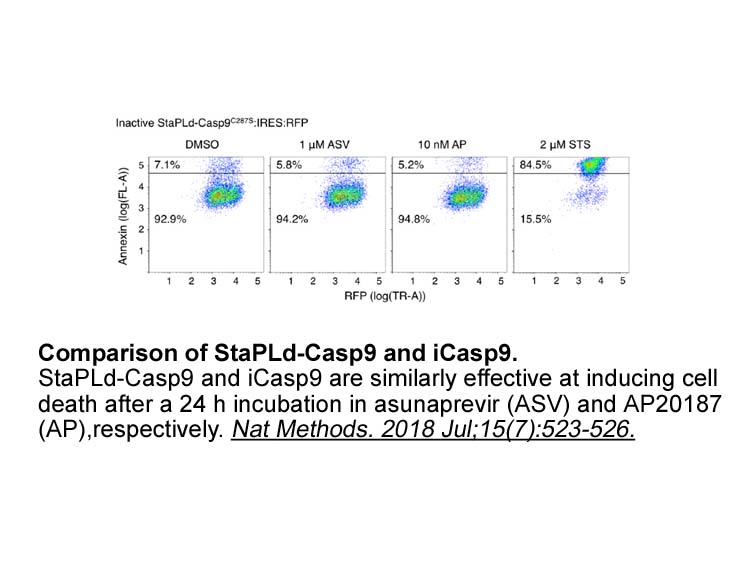
Glutamate activates cationic glutamate-gated channels (i.e. ionotropic glutamate receptors) that mediate the fast excitatory actions of glutamate. It also activate G protein-coupled receptors, named metabotropic glutamate receptors (mGluRs) (Pin and Bettler, 2016). The eight subtypes of mGluRs are k
-
br Materials and methods br Results br Conclusions We develo
2022-06-05
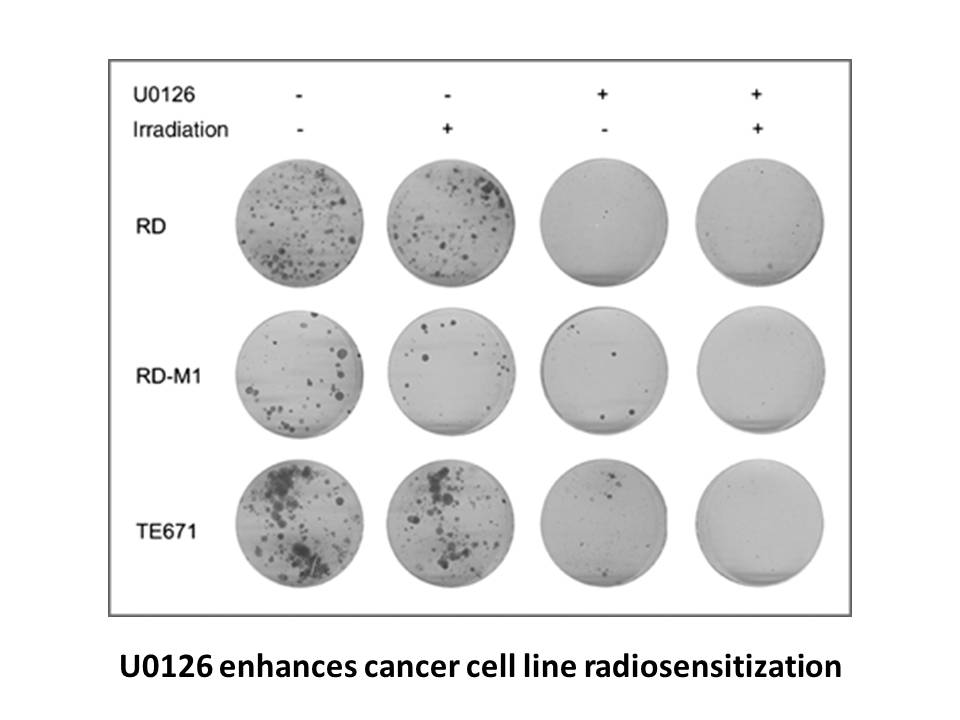
Materials and methods Results Conclusions We developed a glutamate biosensor with chitosan as a matrix for the immobilization of the enzyme glutamate oxidase on the surface of a platinum electrode. Our miniaturized biosensor of 50 µm in diameter can be applied for monitoring glutamate in vi
-
br SMO antagonists pitfalls and limitations
2022-06-05
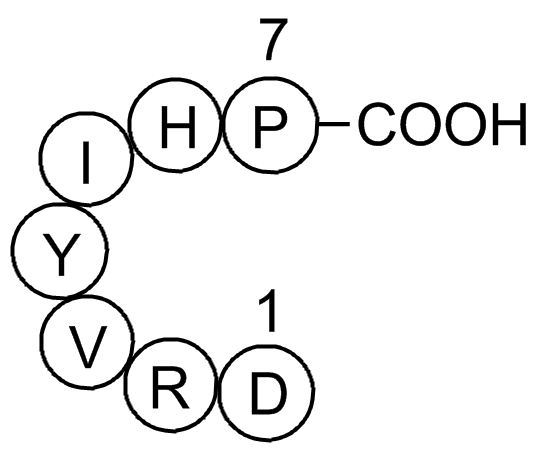
SMO antagonists: pitfalls and limitations The first Hh inhibitor discovered was cyclopamine, a naturally occurring alkaloid isolated from Veratrum californicum[21], which inactivates SMO by directly binding to its hepathelical bundle. Nevertheless, cyclopamine has shown several limitations as a d
-
RDL is of interest as it is the target
2022-06-05

RDL is of interest as it is the target of highly effective insecticides (Buckingham et al., 2005, Raymond-Delpech et al., 2005). Point mutations, particularly an alanine to serine or glycine mutation in TM2, underlie resistance to several insecticides, including dieldrin, picrotoxinin and fipronil (
-
br Results and discussion br Conclusions As described
2022-06-02
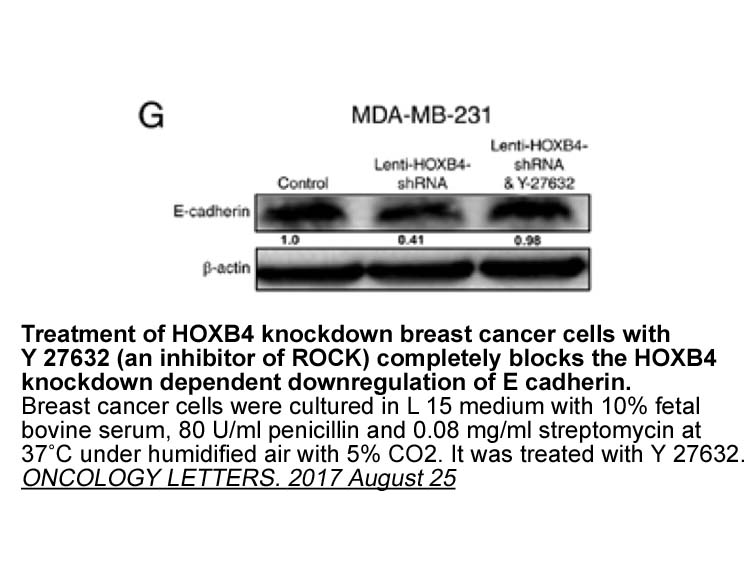
Results and discussion Conclusions As described above, the SAR study based on compound 1 led to the identification of compound 4 as an ideal inhibitor. An enzyme level investigation showed that 4 is a more potent and selective FGFRs tyrosine kinase inhibitor than is Ponatinib. In addition, the
-
It is well known that TNF plays
2022-06-02
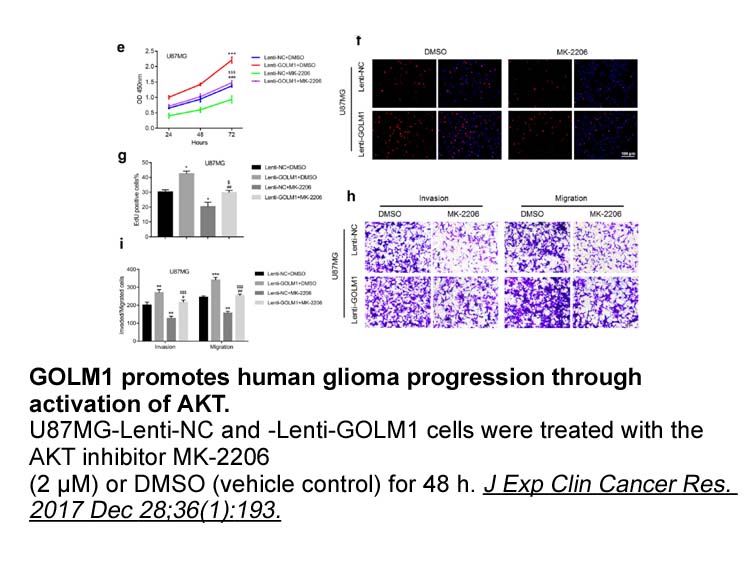
It is well known that TNF-α plays a pivotal role in the pathogenesis of RA. TNF-α influences diverse pathologic processes including joint destruction as well as inflammatory responses [16]. While TNF-α significantly increases the levels of sFas and mFas expression from FLS, IL-1β and IL-17 have mini
-
Erythropoiesis involves the proliferation and differentiatio
2022-06-02
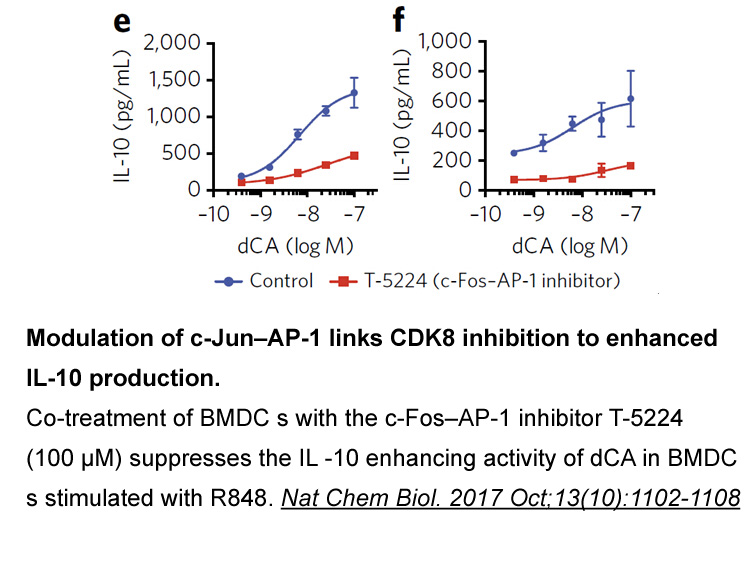
Erythropoiesis involves the proliferation and differentiation of hematopoietic stem Urolithin A to mature RBCs. This process is a tightly-regulated to adjust rates of RBC production based on physiologic need. Fas-mediated apoptosis is one mechanism that controls erythropoiesis. The role of Fas-sign
-
Receptor activator of NF B ligand
2022-06-02
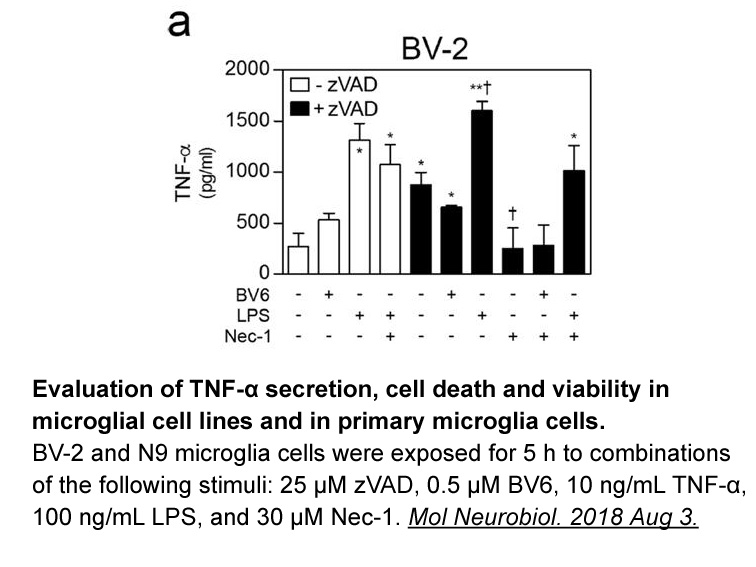
Receptor activator of NF-κB ligand (RANKL) and macrophage colony-stimulating factor (M-CSF) stimulate the generation of osteoclast Cyprodime hydrochloride [10], [11], [12], [13]. In response to sphingosine 1-phosphate (S1P) signaling, osteoclasts then attach to regions of bone undergoing resorption
-
The PI K AKT pathway is known
2022-06-02
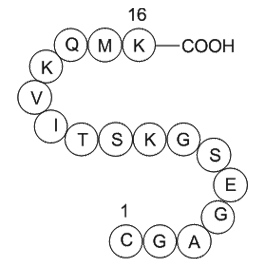
The PI3K/AKT pathway is known to affect cell cycle, survival, and apoptosis (Yu et al., 2006; Park et al., 2008). After phosphorylation by AKT, the cytoplasmic apoptotic protein bad (bcl-xl/bcl-2) cannot be transferred to the mitochondria and dissociates from the inhibition protein bcl-2 and bcl-xl,
-
br Acknowledgment br Introduction Non steroidal anti inflamm
2022-06-02
Acknowledgment Introduction Non-steroidal anti-inflammatory drugs (NSAIDs) are widely utilized to treat pain and inflammation [1], but their chronic use is hindered by a variety of potentially serious adverse events that include gastrointestinal (GI) mucosal lesions, bleeding and perforations
-
Accumulating evidence suggests that the
2022-06-02
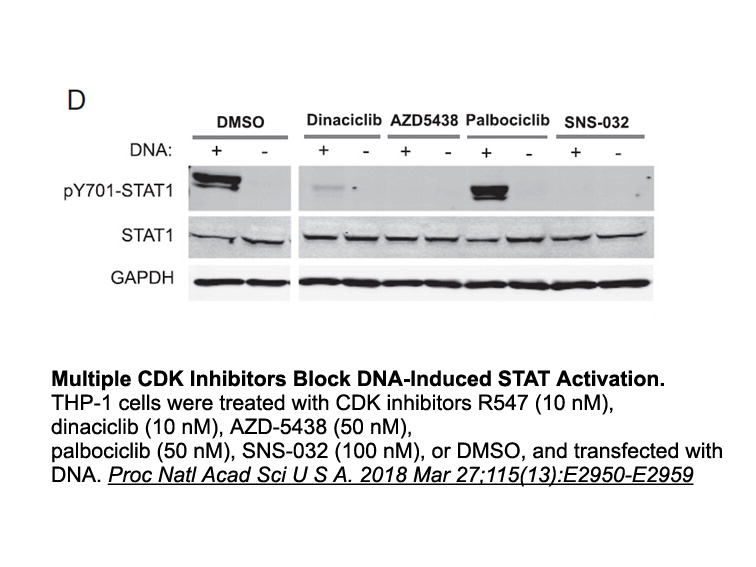
Accumulating evidence suggests that the NGF family of neurotrophins have important modulatory roles in opioid analgesia and addiction [36]. The NGF family of neurotrophins include NGF, Phenacetin derived neurotrophic factor (BDNF), neurotrophin-3 (NT3), and neurotrophin-4 (NT4) [37]. BDNF knockout
16213 records 436/1081 page Previous Next First page 上5页 436437438439440 下5页 Last page